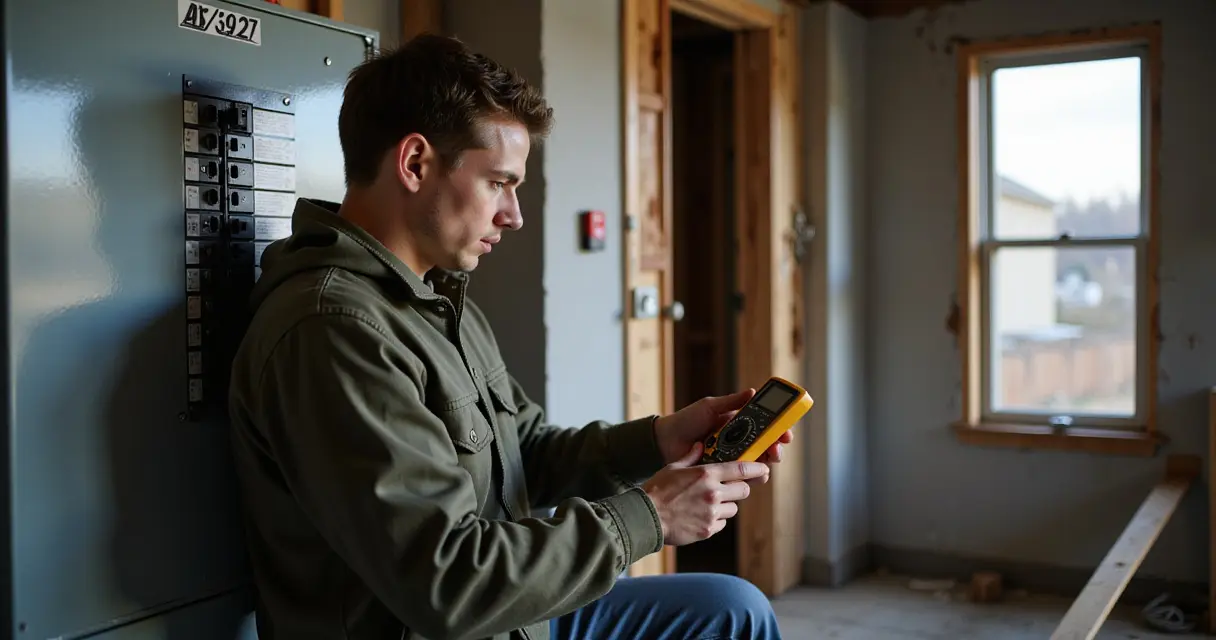
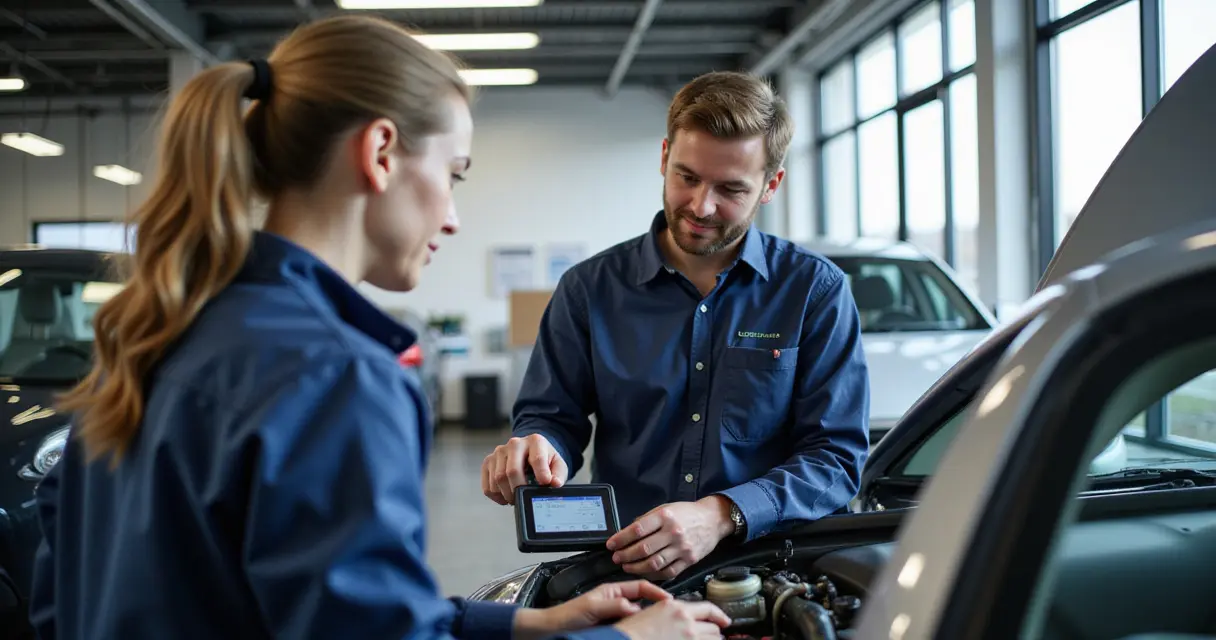
Electronics now control almost everything in a car, and electric and hybrid vehicles show up on every street. The result is simple: automotive electricians are in high demand, and you can start automotive electrical training online for free, before you put money into any course or school.
What used to stop people was the price. Formal training meant a trade school bill paid up front, months before any shop work paid you back.
Things are different now. A free online course teaches you wiring, circuits, and diagnostics first, so you show up to real hands-on training with a head start.
Let us be clear from the start. A free course hands you real foundations and a certificate of completion; it does not hand you the ASE certification or the hands-on experience employers pay for.
Begin a free automotive electrical course
Why automotive electrical training is a smart move
Consider the paycheck first. According to the BLS, automotive service technicians earned a median wage of 49,670 dollars per year in May 2024, and the electrical and electronic specialists among them earn above that base.
Electric and hybrid vehicles drive the fastest growth in the trade. Get trained on EV and high voltage systems early, and you stand in line for some of the best paid work of the coming years.
Demand keeps climbing at a steady pace. More electronics arrive in each new car, which makes a skilled automotive electrician worth more over time.
On top of that, you can skip the degree. Most technicians get started with a high school diploma, then grow through training, an apprenticeship, or experience in a shop.
Where automotive electricians work and which jobs pay most
Dealerships, independent shops, EV service centers, and fleets all hire automotive electricians. Electronics touch every system, so the work never runs out.
Your specialty and skill set the pay scale. Expect EV and hybrid high voltage work, advanced diagnostics, and dealer specialization to pay above general electrical repair.
Remember that electrical is a specialty of the broader trade. To see the general path, read our automotive mechanic guide first.
What an automotive electrician actually does
In practice, you diagnose and repair wiring, sensors, batteries, lighting, and the computers that control a modern car. With EVs, you also deal with high voltage systems.
Everything revolves around diagnostics. Pulling fault codes with a scanner and tracing an electrical problem to its source raises your pay fast.
Types of automotive electrical work
Automotive electrical is not one single job but a set of areas, each rewarding its own focus. Pick one and your training and job search get a clear target.
Diagnostics and wiring
The trade lives on tracing faults, repairing wiring, and reading vehicle networks. Master diagnostics and your pay follows quickly.
EV and hybrid high voltage
This is the fastest growing, best paid corner of the field: electric and hybrid systems. Specific high voltage safety training is required to touch them.
Accessories and comfort systems
Think lighting, audio, sensors, and climate controls, all run through electronics. It is a friendly entry point to build skill and confidence.
What certification actually requires: ASE electrical
Here is where honesty matters. Your completion certificate proves you studied, while the credential employers value is ASE certification in electrical and electronic systems.
One of the core ASE specialty areas is electrical and electronic systems. You earn it while your experience grows, and it opens the door to EV and hybrid jobs.
What "free" really covers, and what it does not
Free means the knowledge. Learning circuits, wiring, and diagnostics theory costs nothing, and you walk away with a certificate that shows initiative.
Free does not mean hands-on hours, ASE exams, high voltage safety training, or tools. Those steps stand apart, and an honest plan accounts for every one.
How online electrical training works, and where it stops
For the knowledge part, online training does the job. You come to understand circuits, sensors, and control modules before a live system is ever in front of you.
Hands-on work is where it stops, and safety weighs heavily there. You cannot learn from an app how to safely probe a live circuit or handle the space around an EV high voltage battery.
That makes the free course step one of your training, nothing more and nothing less. You enter the shop already knowing the language and the safety rules.
What you need to learn
- Automotive circuits, wiring, and how to read a wiring diagram
- Sensors, control modules, and in-vehicle networks
- Batteries, charging, and starting systems
- Diagnostics with a scanner and a multimeter
- EV and hybrid high voltage safety basics
- How ASE electrical certification works
Safety every automotive electrician should know
To an employer, safety comes first, and electrical work makes it critical. Sound habits keep you, the vehicle, and the shop out of trouble.
- Disconnect power and follow lockout steps before starting
- Respect EV high voltage systems and use rated tools and gloves
- Wear eye protection and handle every battery with care
- Never guess on a live circuit: measure first
- Follow OSHA-aligned safety practices at all times
Best free and low cost resources
You can trust these as starting points for automotive electrical training. Keep in mind that the ones that lead to a job are often in person and funded, not a quick online badge.
- Alison: free online automotive and electronics courses that include a completion certificate.
- ASE: the certification employers value, including electrical and electronic systems.
- CareerOneStop: locate WIOA funded hands-on training and apprenticeships near you.
- Community colleges and dealer or EV maker programs: paid, hands-on training on real vehicles.
Some technicians go further and add welding and fabrication for brackets, mounts, and custom electrical installs. A free welding course makes a good complement to electrical training, and our free welding course guide shows where to begin.
Is electrical training really free? The honest cost breakdown
| Step | Typical cost |
|---|---|
| Online foundations course | Free |
| Hands-on training at a school or college | Paid, unless funded by WIOA or an employer |
| EV high voltage safety training | Paid, often through a program or employer |
| ASE certification exams | Paid, for each specialty area |
| Your own tools | Paid, built up over time |
How long it takes to become an automotive electrician
Going at your own pace, you can finish the free online foundations in days or a few weeks. The only factor is how quickly you move through the material.
The hands-on stage takes more time. A trade program lasts from several months to two years, and an apprenticeship builds skill over a few years with a paycheck attached.
ASE adds a requirement for real work experience. So yes, you can start for free today, but a paid career is a path, and EV work makes that path longer.
The smartest free path: apprenticeship
Want real training with no debt? An apprenticeship or a dealer program is your strongest bet, since you train on real vehicles and get paid as your skill builds.
When it ends, you have real hours behind you and a clear path to ASE certification. WIOA and other government workforce programs can also cover training if you qualify.
Meanwhile, the free online course is your prep for the interview and the entry test. Candidates who already know the basics stand out.
Can an online course replace hands-on training?
The short answer is no, and sites that claim the opposite are selling you something. Theory works online, hands-on practice does not, and high voltage work needs real safety training.
Will employers accept your certificate?
Will it count as a signal? Yes: it shows initiative and that you understand the basics from day one.
Will it count as a substitute? No: you still need the hands-on hours, your tools, and the ASE electrical certification behind better pay.
Red flags to watch out for
- Sites promising "ASE certification in days," entirely online
- Courses that charge for a credential they are unable to issue
- Pages that never talk about hands-on work, tools, or EV safety
- Badges that say "certified" but only mean "finished the video"
Expanding your skills and pay
Electrical skill goes well with other high paid paths. A lot of technicians also study diesel or pick up extra ASE certifications to push their pay higher.
For the complete map, head to the high-paying jobs hub, which gathers every free training path, and choose the specialty that suits you best.
How to move up as an automotive electrician
Climbing the ladder is a matter of stacking skills and certifications. Wiring and diagnostics are the base, then come vehicle networks, advanced electronics, and EV systems.
Today the single biggest lever is EV and hybrid skill. The more electric cars on the road, the bigger the premium shops pay for technicians who service high voltage systems safely.
Every ASE certification you collect adds value, and specialists often end up as the shop's go-to person. The free course is step one, and the ceiling for electrical work is high and still going up.
Tips to start your automotive electrical career strong
- Finish the free course and save your certificate as proof of initiative
- Ask shops and dealers about entry roles to get close to real vehicles
- Buy a good multimeter and basic tools, then add more as you learn
- Aim for ASE electrical certification the moment you qualify
- Take any EV high voltage safety training you can find
Technicians who treat the beginning seriously advance faster. The free foundations are the easiest win available, so start with them and keep adding real hours.
What to expect on your first shop job
During the first months, you prove that you are reliable and safe. You will handle simpler electrical jobs while getting used to the shop, its tools, and its scanners.
A good lead technician reviews what you do and teaches you diagnostics as you work. The theory from the free course pays off right away, so finish it before you start.
Be punctual, respect high voltage systems, and never stop asking questions. That reputation and your first ASE are what turn a helper position into a real career.
Frequently asked questions
Is a free automotive electrician course available?
Yes. You can take free online automotive and electronics courses with a certificate of completion on sites like Alison. Hands-on training and ASE remain separate steps.
How much can automotive electricians make?
They belong to the automotive service technician group, which earned a median of 49,670 dollars in May 2024 per the BLS. Electrical and EV specialists earn above that.
Does EV work require special training?
Yes. Because EV and hybrid systems use high voltage, you need specific safety training and rated tools in addition to a general electrical course.
Is it hard to learn automotive electrical?
You need focus, but the free course builds the basics one step at a time. Diagnostics becomes easier with practice and the right tools.
How long will the training take?
The online foundations take days to weeks. Hands-on training takes several months to two years, and ASE also requires work experience.
Is it possible to get this training for free?
For the foundations, yes. Hands-on training can also be free through WIOA funding or a paid apprenticeship when you qualify.
Is EV work really where this job is going?
Yes. Electric and hybrid vehicles are expanding fast, and shops need technicians who can safely service high voltage systems. Training today puts you ahead.
Do I need to be strong in math?
Basic math and clear logic will do; you do not need advanced math. The free course teaches the electrical basics gradually, and practice takes care of the rest.
Is an online course alone enough to get hired?
It helps as a signal, but most employers want hands-on skill, EV safety training, and progress toward ASE certification.