Cars break down everywhere, and that simple fact keeps skilled automotive technicians in demand in every town. What many people miss is that automotive mechanic training can start online, for free, before you spend a dollar on a course or a school.
The biggest hurdle was always cost. Old-style mechanic training meant paying a trade school up front, before you ever earned a paycheck turning wrenches.
Today you have another option. Take a free online course on engines, brakes, and diagnostics, and then bring that head start into real, hands-on shop training.
We will be straight with you about what a free course does. It hands you real foundations and a certificate of completion, but not the ASE certification and shop experience that employers actually pay for.
Start a free automotive mechanic course
Why automotive mechanic training is a smart move
Earnings give you a solid reason to begin. In May 2024, automotive service technicians and mechanics earned a median wage of 49,670 dollars per year, according to the U.S. Bureau of Labor Statistics.
Go into a specialty and the number climbs. Diesel technicians reached a median of 60,640 dollars, and technicians who master diagnostics or electric and hybrid systems earn above the base as well.
The outlook is steady, with employment projected to grow about 4 percent through 2034. Each new generation of cars is more complex, which keeps trained technicians valuable.
You also skip the degree. Most technicians start with a high school diploma and build a career through training, an apprenticeship, or plain time in a shop.
Where mechanics work and which specialties pay most
Automotive technicians are hired by dealerships, independent repair shops, fleets, and franchises. That broad range of employers keeps the trade stable across the years.
Your pay climbs with each specialty and skill you add. Diesel, transmission, and electrical and electronic work all beat general repair, and diagnostics experts never go out of demand.
Nothing in the trade is growing faster than electric and hybrid vehicles. Technicians who prepare for EV systems now are lining up some of the best paid work ahead.
Types of automotive work you can train for
Think of auto repair as several skills sharing one roof. Once you pick a focus, you can aim your training and your job search at the same target.
Engine and transmission
Engine and transmission jobs form the heart of the trade. This work favors patient people with clean habits who understand how the entire drivetrain fits together.
Brakes and suspension
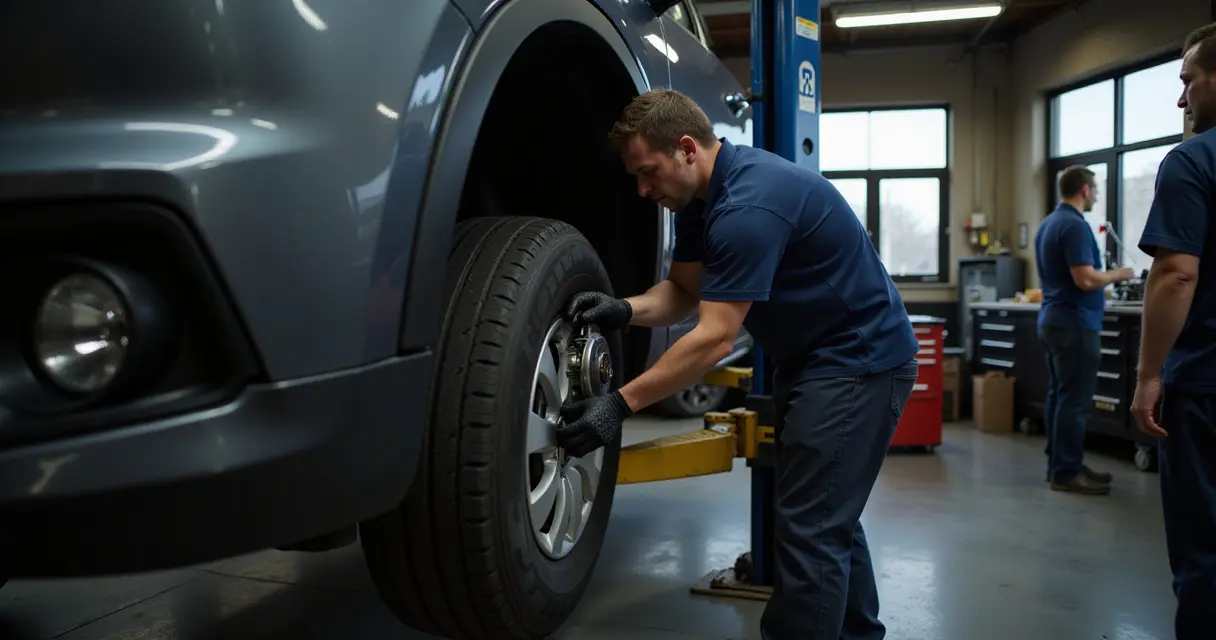
Brake and suspension work is the steady, everyday side of the shop. It is a frequent entry point where new technicians gain speed and confidence.
Diagnostics and the OBD scanner
Diagnostics is the center of modern repair. Learning to read an OBD scanner, trace fault codes, and find the real problem raises your pay fast.
Electrical, electronic, and EV systems
Within ASE, automotive electrical and electronic work is its own specialty area, and electric and hybrid cars are pushing its fast growth. Head to our automotive electrician guide for that path.
What certification actually requires: ASE
There is something the "get certified online" ads do not tell you. A completion certificate shows that you studied, but the credential employers actually value is ASE certification.
You can certify with ASE in specialty areas such as engine repair, brakes, automatic transmission, and electrical and electronic systems. They come one by one as you gain experience.
The honest path is not complicated. Learn the foundations free, get hands-on experience, then earn ASE in your specialty and unlock better pay.
What "free" really covers, and what it does not
Free pays for the knowledge side. Engines, brakes, and diagnostics can all be learned without spending a cent, and the certificate you earn shows initiative.
Free does not pay for hands-on hours, ASE exams, or tools. Since technicians usually buy their own tools over time, it is honest to budget for them from the start.
How online mechanic training works, and where it stops
Online training earns its keep on everything that lives in your head. You can study systems, components, diagnostics theory, and safety long before you pick up a wrench.
Hands-on work is where it reaches its limit. No app can teach your hands to feel a stripped bolt, read a live engine, or run a real diagnostic on the car you are facing.
That is why the free course works best as step one of your training. You arrive at a shop or a program already knowing the language and the safety rules.
What you need to learn
- Engine, transmission, and drivetrain basics
- Brake, steering, and suspension systems
- Automotive electrical and electronic systems
- Reading an OBD scanner and fault codes for diagnostics
- Shop safety, tools, and clean work habits
- How ASE certification and the specialty areas work
Shop safety every technician should know
Of everything on the job, safety is what employers care about most, and it is where a free course pays off early. Good habits keep you, the customer's car, and the shop out of harm's way.
- Use a lift correctly and confirm the load points every time
- Wear eye protection and gloves when working with chemicals and hot parts
- Follow the right procedures for fuel, oil, and batteries
- Keep the bay clean so that tools and spills do not cause accidents
- Follow OSHA-aligned safety practices at all times
Best free and low cost resources
The places below are legitimate starting points for mechanic training. The ones that turn into a real job are often in person and funded, not a quick online badge.
- Alison: free online automotive courses ending in a completion certificate.
- ASE: the certification employers value, with exams for each specialty area.
- CareerOneStop: locate local, WIOA funded hands-on training and apprenticeships.
- Community colleges and dealer or manufacturer programs: paid, hands-on training on real cars.
Welding and fabrication are a common add-on for technicians doing exhaust work, auto body, and custom jobs. A free welding course fits neatly next to mechanic training and expands the work you can take on. Our free welding course guide has the details.
Is mechanic training really free? The honest cost breakdown
| Step | Typical cost |
|---|---|
| Online foundations course | Free |
| Hands-on training at a school or college | Paid, unless funded by WIOA or an employer |
| ASE certification exams | Paid, per specialty area |
| Your own tools | Paid, built up over time |
| Apprenticeship route | You earn while you train |
How long it takes to become a mechanic
Moving at your own pace, the free online foundations take days to a few weeks. That stage is set entirely by how quickly you get through the course.
After that, hands-on training adds time. Plan on several months to two years in a trade program, or a few years in an apprenticeship that pays you as you build skill.
ASE wants real work experience before you certify, too. The honest takeaway: you can start free today, but reaching a paid career is a path.
The smartest free path: apprenticeship
When the goal is real training without debt, an apprenticeship or a dealer program comes out on top. You learn on real cars and earn money while building skill.
It leaves you with real hours and a clear way to ASE certification. Government workforce programs like WIOA can also pay for training for those who qualify.
Use the free online course to get ready for the interview and the entry test. Coming in with the basics already learned makes you a stronger candidate.
Expanding your skills and pay
Once general repair feels natural, adding a specialty raises what you are worth. The best paid directions are diesel, automotive electrical and EV work, and earning ASE certification.
A number of technicians also take up welding for auto body and exhaust work. Every extra skill opens a bigger share of the repair market.
Can an online course replace hands-on training?
No. Any site saying it can is selling you something. You can take the classroom part online, but never the wrench part, and real hours on real cars are essential.
Will employers accept your certificate?
As a signal, yes. Your completion certificate shows initiative and that you understand the basics before you start.
As a substitute, no. Hands-on hours, your tools, and the ASE certification that unlocks better pay are still on you.
Red flags to watch out for
- Sites promising "ASE certification in days," completely online
- Courses charging for a credential they cannot legitimately issue
- Pages that never talk about hands-on work, tools, or real experience
- Badges saying "certified" when they really mean "finished the video"
Tips to start your mechanic career strong
- Finish the free course and keep the certificate to show initiative
- Ask shops about lube tech or helper roles as a way in the door
- Buy a basic tool set and grow it as you learn
- Target your first ASE certification as soon as you qualify
- Accept safety training whenever it is offered
Your next steps
Start free, then keep to the honest path. Every free training path is collected in the high-paying jobs hub, so you can choose the specialty that fits you.
- Finish a free automotive mechanic course and learn the basics
- Get hands-on training through a shop, college, or apprenticeship
- Build experience and add to your tools over time
- Earn ASE certification in your specialty and raise your pay
Is now a good time to become a mechanic?
Yes, and here is why. Cars become more complex every year, so shops keep looking for technicians who understand modern systems and diagnostics.
On the other side, many experienced mechanics are retiring and opening seats for trained newcomers. A free start today puts you ahead of that curve.
What to expect on your first shop job
In the first months, you are proving that you are reliable and safe. Lube, tires, and brakes are the usual starting jobs while you learn the shop and its tools.
A good lead technician reviews your work and shows you diagnostics as you go. That is when your free course theory starts paying off, so make sure you finish it.
Be punctual, keep your bay clean, and ask whenever you are unsure. That reputation, along with your first ASE certification, is how a helper role becomes a real career.
Frequently asked questions
Can I take a free automotive mechanic course with a certificate?
Yes. You can find free online courses on sites like Alison that teach the foundations and end with a certificate of completion. Hands-on training and ASE are separate steps.
Is a free certificate the same thing as ASE certification?
No. A free course ends with a certificate of completion, while ASE certification requires a passed exam and real work experience. Employers value ASE most.
How much can automotive mechanics make?
Per the BLS, the median for automotive service technicians was 49,670 dollars per year in May 2024. Diesel and specialty work pay more.
Do mechanics buy their own tools?
Usually, yes, over time. Most shops expect you to build a personal tool set, but you can start with basics and add as you go.
How long is the road to becoming a mechanic?
Online foundations take days to weeks. Hands-on training takes several months to two years, and ASE also asks for work experience.
Which mechanic specialty pays the most?
Diesel technicians reach a higher median of 60,640 dollars, and electric and hybrid work is growing quickly. Diagnostics experts also earn better pay.
Can mechanic training cost nothing?
The foundations can, yes. Hands-on training may also be free through WIOA funding or a paid apprenticeship, if you qualify.
Is an online course on its own enough to get hired?
It helps as a signal, yet most employers want hands-on skill and progress toward ASE certification for the role.