No construction site and no building runs without electricians, and that constant need keeps the trade's pay strong and steady. You can begin your electrician training online, free of charge, before a single dollar goes to a course or a school.
Money was the traditional hurdle. To get formal training, you once had to pay a trade school in advance, well before you earned anything pulling wire.
The first step has changed. Thanks to free online courses, you can study circuits, wiring, and safety at the start and bring that head start with you into a paid apprenticeship.
We will be straight with you about what a free course offers. It builds real foundations and ends with a certificate of completion, yet it does not replace the state license and apprenticeship hours a paid electrician job requires.
Start a free electrical course
Why electrician training is a smart move
Money tops the list of reasons. In May 2025, electricians earned a median wage of 63,190 dollars per year, the U.S. Bureau of Labor Statistics reports, ahead of many trades.
This demand has staying power. Projections call for employment growth of about 9 percent from 2025 to 2035, much faster than the average for all jobs, fueled by construction, solar, and EV charging.
Even better, a degree is not part of the deal. A high school diploma plus a paid apprenticeship is the most common way in, so you are paid during your training.
Where electricians work and which jobs pay most
The work happens in homes, commercial buildings, factories, and across the grid. Each setting pays differently, and specialized skills earn more.
Electricians in industrial and commercial roles usually out-earn those in residential work, and so do the ones who master solar or controls. Licensed journeymen and master electricians hold the highest spots.
Many union jobs, for example through the IBEW, pay more and come with benefits. That makes the apprenticeship route discussed later especially important.
Types of electrical work you can train for
The electrical trade is broad, and different areas call for a different focus. Settling on one sharpens your training plan and your job search alike.
Residential wiring
Wiring homes, panels, and fixtures is the core of residential work. It is a familiar entry point, a place to develop both speed and confidence.
Commercial and industrial
Larger systems, motors, and controls are the daily work of commercial and industrial electricians. These jobs pay more and reward people who diagnose problems well.
Solar and renewable
Growth in the trade is fastest in solar and EV charging. Electricians who build these skills early are getting ready for the best paid work to come.
What certification and licensing really require
This is the piece that "get certified online" ads tend to skip. Finishing a course earns a completion certificate, but most states require electricians to carry a real license.
Your state decides the details. The usual progression runs apprentice, then journeyman, then master electrician, with an exam along the way at every step.
That makes the honest sequence easy to follow. Learn the basics free, join a paid apprenticeship, log your hours, and earn your license.
What "free" really covers, and what it does not
The free part is the learning itself. Studying circuits, wiring, and safety costs nothing, and the certificate you earn shows employers your initiative.
The apprenticeship hours, the license exam, and your tools fall outside the free part. Fortunately, the apprenticeship pays you while you train.
How online training works, and where it stops
Online courses work well for knowledge you carry in your head. Before going anywhere near a live panel, you can study circuits, code basics, and safety.
They stop where hands-on work begins, and that is where safety becomes vital. Wiring a panel or working near live power safely is beyond what any app can teach.
The free course is best seen as step one. With it, you enter an apprenticeship already familiar with the terms and the safety rules.
What you need to learn
- Circuits, wiring, and how to read a diagram or blueprint
- Core principles of the National Electrical Code
- Panels, breakers, and grounding
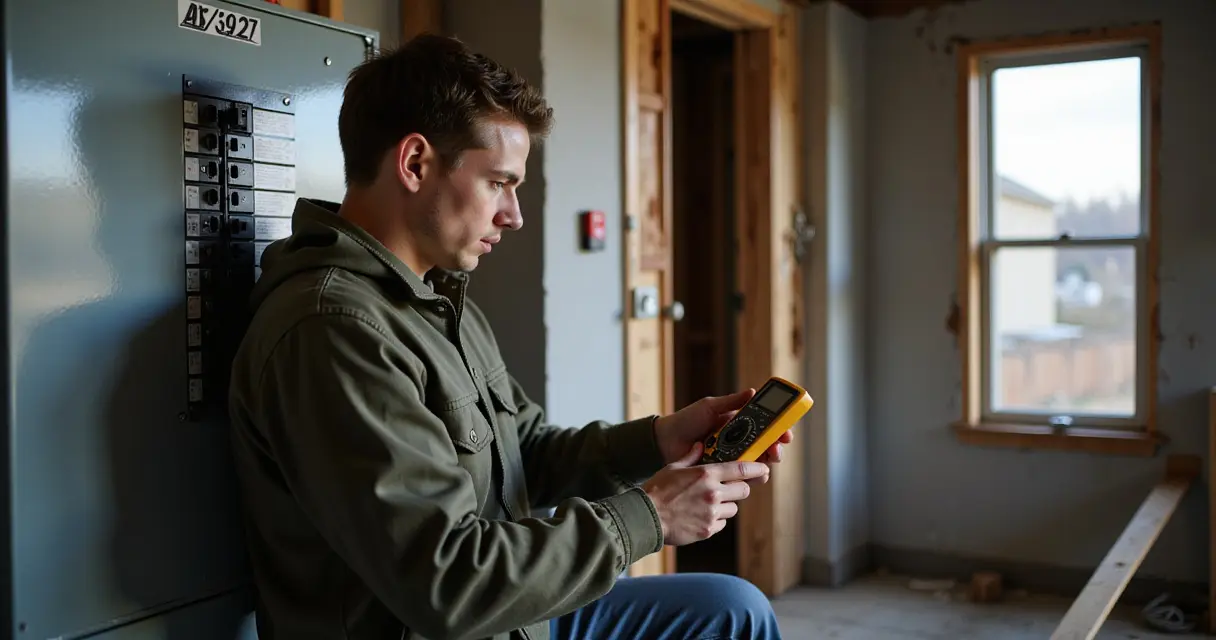
- Diagnostics using a multimeter and test tools
- Electrical safety and OSHA practices
- How apprenticeship and state licensing fit together
Electrical safety every apprentice should know
Employers rank safety above everything, and with electricity the stakes are critical. Good habits keep you, your crew, and the building safe.
- Follow lockout and tagout before you work on a circuit
- Test before you touch, and never assume a wire is dead
- Use insulated, rated tools and the right protective gear
- Respect the code and the panel labeling at all times
- Follow OSHA-aligned safety practices on every single job
Best free and low cost resources
These sources are legitimate places to begin electrician training. Most of the paths that end in a license are paid apprenticeships rather than a quick online badge.
- Alison: free online electrical courses that include a completion certificate.
- OSHAcademy: free OSHA-aligned safety training that applies on every site.
- CareerOneStop: see what your state requires for a license and find WIOA funded training.
- IBEW apprenticeship: paid union training that logs real hours toward your license.
Welding is another skill some electricians pick up, since it helps with conduit, brackets, and industrial jobs. Pairing a free welding course with electrical training is easy, and our free welding course guide shows how.
Is electrician training really free? The honest cost breakdown
| Step | Typical cost |
|---|---|
| Online foundations course | Free |
| Apprenticeship (4 to 5 years) | Paid to you, since you earn while you learn |
| License exam | Low cost, varies by state |
| Your own tools | Paid, added gradually over time |
How long it takes to become an electrician
The free online foundations can be finished in days or a few weeks, at whatever pace suits you. The only factor is how quickly you get through the course.
The apprenticeship is the long part, usually four to five years of paid work plus classroom hours. Since a paycheck comes the entire time, the wait feels lighter.
With your hours logged and the exam passed, you become a licensed journeyman, and your pay continues to rise.
The smartest free path: apprenticeship
An apprenticeship is the strongest way to get real training while avoiding debt. Unions like the IBEW, along with contractor associations, run programs that pay you during training.
When it ends, you hold real hours, a license, and no student loans at all. Government workforce programs like WIOA may also help, if you qualify.
Use the free online course as preparation for the entry test and interview. Coming in with the basics already learned turns you into a stronger candidate.
Electrician vs plumber: which trade should you pick?
Both are flagship licensed trades, and both pay well once you go through an apprenticeship. Electrical relies on code and diagnostics, whereas plumbing leans toward systems and physical work.
Each one starts the honest way, with a free course, a paid apprenticeship, and then a license. If you cannot decide, our free plumbing guide is worth a read.
Can an online course replace an apprenticeship?
Not at all, and sites that say it can are not telling the truth. Classroom learning can move online, but the hands-on hours and the license cannot.
Will employers accept your certificate?
Yes, when it is a signal. Employers read a completion certificate as initiative and as proof you grasp the basics before your first day.
No, when it is a substitute. The certificate cannot take the place of apprenticeship hours, the state license, or the tools the job requires.
Red flags to watch out for
- Sites promising a "license" or "certification in days" fully online
- Courses that charge for a state license they cannot issue
- Pages that never mention apprenticeship, the code, or a license exam
- Badges that say "certified" when they only mean "finished the video"
Tips to start your electrician career strong
- Complete the free course and hold on to your certificate to show initiative
- Send your application to a union or contractor apprenticeship early
- Start with a basic tool set and a good multimeter, adding more as you learn
- Study the National Electrical Code, which the exam relies on heavily
- Accept solar and controls training, because it leads to better pay
Your next steps
Start free and follow the honest path. For related trades and options, explore the high-paying jobs hub and the free plumbing guide.
- Complete a free electrical course and learn the basics
- Apply to a paid apprenticeship with a union or a contractor
- Log your hours and study the code for your license exam
- Pass the exam, earn the license, and keep growing toward journeyman and master
What to expect in your first year
During your first year, the goal is to prove you are safe, reliable, and eager to learn. Expect early tasks such as material handling, conduit, and simple wiring alongside a journeyman.
You will also attend classroom hours on top of the paid work, and the theory from your free course will come up right away. That is the payoff of finishing it first.
Show up on time, stick to the safety rules, and keep asking questions. Those habits, combined with your logged hours, are what lead to your license.
How to move up as an electrician
Progress depends on hours, the license, and extra skills. When your hours are done and you pass the exam, you step up from apprentice to journeyman.
Later, a master license, a solar or controls specialty, or your own shop can all boost your pay. With every certification you add, your value goes up.
Think of the free course as the first step. The trade offers a high ceiling to anyone who keeps learning and stays licensed.
Frequently asked questions
Can I take a free electrician course with a certificate?
You can. Sites including Alison have free online electrical courses that award a certificate of completion. The apprenticeship and the state license are handled as separate steps.
How much money do electricians make?
The BLS lists a median of 63,190 dollars per year for electricians as of May 2025, with industrial, solar, and master electricians earning above that.
Is a license needed to work as an electrician?
In most states, it is. Earning one takes a completed apprenticeship, logged hours, and a passed licensing exam, and the rules depend on your state.
How many years does it take to become an electrician?
The free foundations take only days to weeks. The apprenticeship typically runs four to five years of paid work, and the license exam follows it.
Is it possible to get electrician training for free?
Yes, for the foundations. And because the apprenticeship pays you during training, the actual path to a license is free or even better, if you qualify.
With solar and EVs on the rise, is electrician a good career?
Yes. Solar and EV charging are growing fast, and electricians who train for that work early are positioned for some of the best paid roles.
Does an electrician need to be good at math?
What you need is solid basic math and clear logic, not advanced math. The free course and the apprenticeship build those skills one step after another.
Which trade pays more, electrician or plumber?
Both are licensed trades that pay well. Electricians had a median of 63,190 dollars in May 2025, and in both trades pay rises with specialty, license level, and region.
May I do electrical work without a license?
Most states require a license for paid electrical work. While training, you generally work as a registered apprentice under a licensed electrician.
Will electrician work stay stable in the long term?
Yes. Buildings will always need electrical work, and expansion in solar, EV charging, and the power grid keeps demand strong, so the trade remains a stable long term choice.
Is an online course by itself enough to get hired?
It helps as a signal, though employers and apprenticeships look for hands-on hours and progress toward a license for the role.