The big machines on a construction site need someone in the cab, and sites nationwide are short on those people. The pay is good, and you can begin heavy equipment operator training without a college degree.
What stopped most people before was the price tag. Formal training often cost thousands of dollars, all due before the first paycheck came in.
That barrier is lower now. A free online course gives you the groundwork, and you can learn the theory and safety side at whatever pace you like.
Let us be straight about something most sites skip. A free course leaves you with a certificate of completion, not the certification or license that actually puts you behind the controls.
Here you will find the real pay, what free heavy equipment training covers and what it does not, plus the honest path from study to a paid career.
Begin with a free heavy equipment course
Why heavy equipment operator training is worth your time
The paycheck is the headline. The U.S. Bureau of Labor Statistics puts the median wage for construction equipment operators at 58,320 dollars per year as of May 2024.
Specialized roles earn more. Pile driver operators hit a median of 70,510 dollars, and operators in building construction were near 63,850 dollars.
Demand holds up over time. The BLS projects about 4 percent employment growth through 2034, and each year retirements create openings.
There is also no degree to chase. Most operators get started with a high school diploma and advance through the job, an apprenticeship, or a vocational training program.
Types of heavy equipment to train on
Every machine has a specific role and its own learning curve. Pick one early and both your training and your job search get a clear target.
Excavators
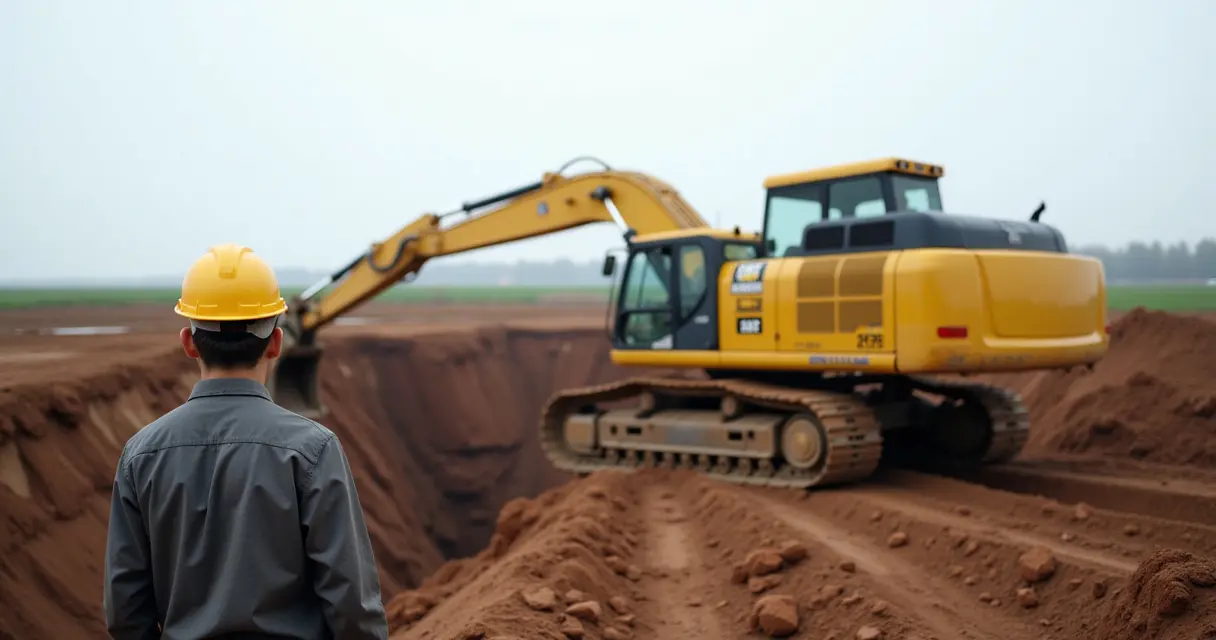
Excavators handle the digging, lifting, and earth moving on just about every site. Plenty of new operators begin on one, and skilled operators are always wanted, as our excavator training guide explains.
Bulldozers
With a heavy blade mounted up front, bulldozers push and level material. Some states require a special license for this machine, so review your local rules before training, or check our bulldozer guide.
Dump trucks
Dump trucks are the haulers, carrying material on and off the site. These jobs almost always require a commercial driver license, a paid credential from the state, and our dump truck and CDL guide covers it.
Cranes
Cranes lift heavy loads well above the site and rank among the best paying machines. They come with the strictest certification as well, through NCCCO, which our crane operator guide lays out.
What certification and licensing really involve
Online ads that say "get certified" never mention this. A certificate of completion tells an employer you studied. It does not stand in for the certification or license required to operate for pay.
The rules depend on which machine you run and where you live. A handful of states require special licenses for loader and bulldozer operators.
Many operators need a commercial driver license, or CDL, for nothing more than moving the equipment between jobsites. You pay for the CDL and the state issues it, so a free course will never cover it.
Crane work is stricter yet. Certified crane operators earn NCCCO certification, which involves fees and real practical testing.
The table makes the honest gap clear: what a free course gives you versus the certification each role needs on the job.
| Machine | Free course gives you | The job also needs |
|---|---|---|
| Excavator | Theory, safety, completion certificate | Hands-on hours, OSHA safety |
| Bulldozer | Theory, safety, completion certificate | Hands-on hours, state license in some states |
| Dump truck | Theory, safety, completion certificate | Commercial driver license, or CDL |
| Crane | Theory, safety, completion certificate | NCCCO certification, paid and hands-on |
How online heavy equipment training works, and where it falls short
The knowledge part is where online training shines. You pick up machine components, safety rules, load basics, and site awareness before you ever step into the machine.
It falls short on seat time. No app will teach your hands the feel of the controls or show you how a loaded machine shifts on soft ground.
Think of the free course as the first rung. You get to hands-on practice already knowing the vocabulary and the safety rules.
What a free heavy equipment course actually teaches
- Machine types and the purpose each one is built for
- Core safety rules and OSHA-aligned practices
- Basic inspections and daily maintenance checks
- Load handling concepts and jobsite awareness
- How the certification and licensing steps fit together
Why online training costs less and bends to your schedule
The cost hurdle is the biggest one, and a free online course clears it. Without tuition, you can find out whether the field fits you before spending a dollar.
It is flexible too. Learn on nights and weekends, stay in your current job, and keep a pace that suits your life and your family.
The payoff comes later. By the time hands-on training starts, the safety rules are already second nature, so your paid seat time goes further.
Best free and low cost places to start
All of these are legitimate starting points for heavy equipment training. Keep in mind that the ones that lead to a real job tend to be in person and funded, not a quick online badge.
| Option | Cost | Format | Best for |
|---|---|---|---|
| Alison | Free | Online, self paced | Foundations and a completion certificate |
| OSHAcademy | Free to study | Online | Safety knowledge aligned to OSHA topics |
| CareerOneStop and WIOA | Free if eligible | Local, in person | Government funded real training near you |
| IUOE apprenticeship | Paid, you earn | In person | The real path, earn while you learn |
Alison
Alison runs free online courses on construction and equipment subjects, with a certificate of completion when you finish. For learning the theory and proving you studied, it is the best pick.
OSHAcademy
OSHAcademy delivers free safety training aligned to OSHA topics. Safety knowledge is required on every jobsite, which makes this a smart free extra alongside your machine training.
CareerOneStop and WIOA
Through CareerOneStop, a Department of Labor resource, you can find local training funded by WIOA. Qualify, and these programs may cover real, hands-on training in your area.
IUOE apprenticeship
Apprentices with the International Union of Operating Engineers get paid while they train. They finish with real hours and a credential that employers all over the country respect.
Community and technical colleges
Community and technical colleges in your area teach heavy equipment operator programs on real machines. They usually cost less than private schools, and some students qualify for grants.
How to enroll in a free online course
- Head to a trusted training site such as Alison and register for a free account
- Search heavy equipment, construction, or the specific machine you want
- Compare the topics with what you need to learn
- Move through the lessons at your own pace and pass the checks
- Download your certificate of completion to show initiative
The smartest free path: apprenticeship
An apprenticeship is the strongest way to get real training without debt. Operating engineers union programs combine classroom learning with paid seat time.
You are paid while you train, and you walk away with real hours that carry weight with employers. Government workforce programs like WIOA may fund training too, if you qualify.
Use the free online course as prep for the entry test and the interview. Knowing the basics before you walk in makes you a stronger candidate.
Expanding your skills across machines
Once one machine is mastered, a second one lifts your value and your pay. Employers want operators who can jump between an excavator, a bulldozer, and a dump truck.
Cranes are a strong next step if higher pay is the goal, though NCCCO certification is required. Every machine you learn opens a bigger share of the construction job market.
Can an online course replace in person training?
No. A site claiming otherwise has something to sell you. Classroom learning can be online; machine learning cannot.
Will employers accept a free certificate?
As a signal, yes. Your completion certificate shows initiative and that you have the basics down before day one.
As a substitute, no. It will not replace hands-on hours, the OSHA safety card, or the CDL and state licenses your role may call for.
Red flags to keep an eye on
- Sites promising a "license" or "certification in days" fully online
- Courses that charge for an official government license they cannot issue
- Pages that skip hands-on training, OSHA, and the CDL altogether
- Badges that say "certified" when they only mean "finished the video"
Your next steps, the honest path
Start free, then stay on the honest path. To explore more trades and options, see the high-paying jobs hub and the excavator training guide.
- Begin a free foundational course covering theory and safety
- Find out your state's rules for the machine you want to run
- Arrange hands-on training through a local program, WIOA, or an apprenticeship
- Earn any required license, such as a CDL, ahead of when the job needs it
- Apply, lead with your free certificate, and keep stacking real hours
Frequently asked questions
Is a free heavy equipment course online actually legit?
Yes, as long as you know what it is. It teaches genuine foundations and awards a completion certificate, but it does not license you to operate for pay by itself.
How much money do heavy equipment operators make?
According to the BLS, construction equipment operators had a median of 58,320 dollars per year in May 2024. Specialties like pile driver operators pay more.
Will I need a CDL to operate heavy equipment?
Often you will, to haul the equipment between jobsites. A CDL is a paid license issued by the state, and the rules depend on where you live.
How much time does heavy equipment training take?
Online foundations run from days to weeks at your own pace. Hands-on training and any license take longer, based on your state and program.
Can I get trained for free, with no cost at all?
At times, yes. WIOA and other government programs, along with union apprenticeships, can pay for real training, and apprentices who qualify earn while they learn.
Which machine should I start with?
Look at local demand and pay. Excavators and dump trucks are common first machines, and cranes pay more but demand stricter certification.
Does an online certificate equal certification?
No. An online course awards a certificate of completion. Real certification, NCCCO for cranes being one example, calls for testing, hands-on skill, and often a fee.
Can an online certificate on its own get me a job?
It helps as a signal, but most employers also want hands-on hours and the safety and license credentials the role demands.